Pros and Cons of Living in Rural Ottawa
There’s something undeniably appealing about rural living. The idea of space, quiet mornings, star-filled skies, and maybe even a few chickens wandering the yard has a certain charm. Over the past few years, more and more buyers have started looking just outside Ottawa’s city limits for properties with land, privacy, and a slower pace of life.
But while rural living can be incredible, it’s also a bit different from life in the suburbs. Before trading sidewalks for dirt roads and backyards for acreage, it’s worth understanding both the perks and the realities.
Here are some of the biggest pros and cons of living in rural Ottawa.
The Pros of Rural Living
Space (and Lots of It)
One of the biggest draws of rural properties is simple: space.
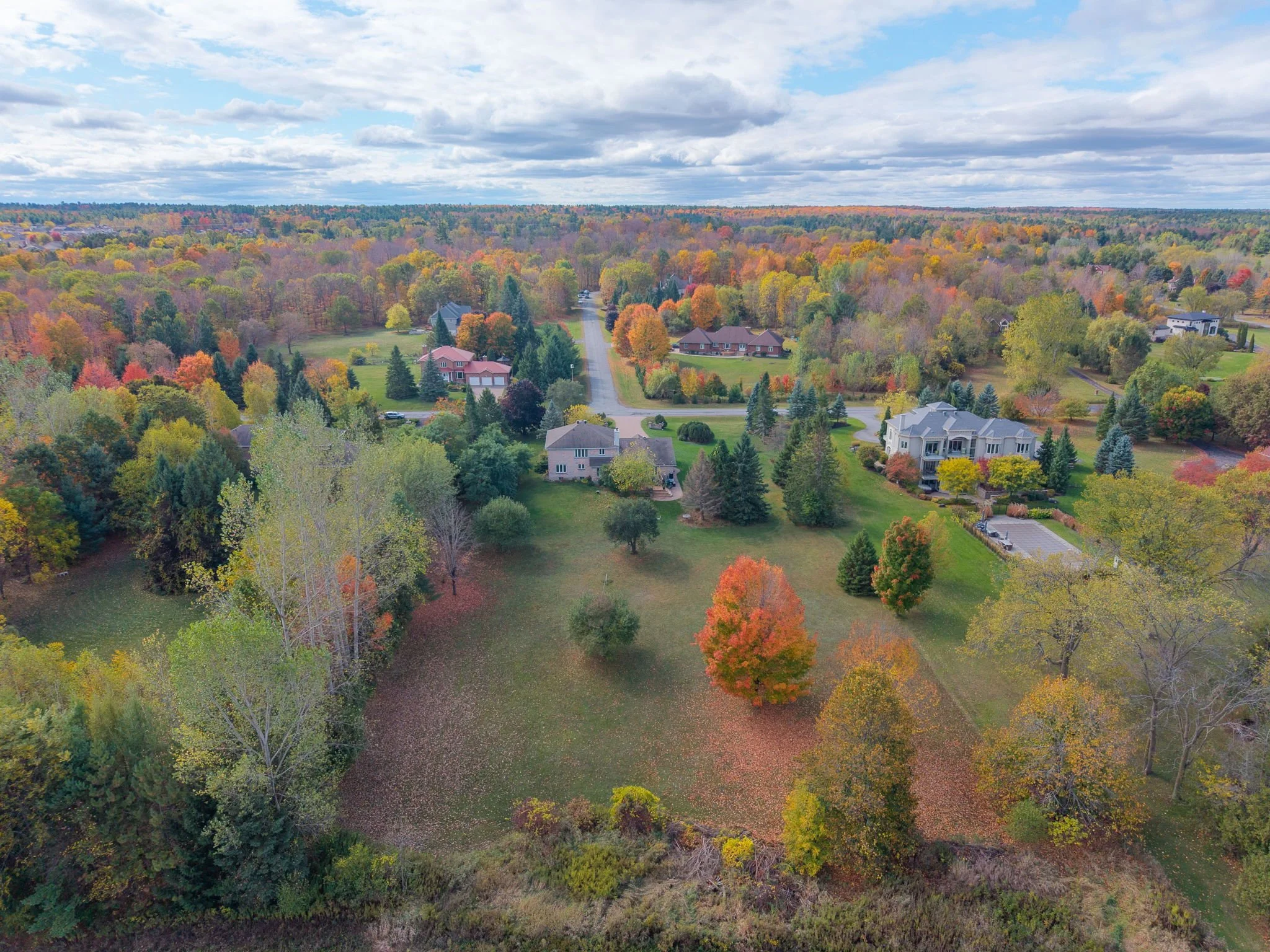
Instead of a small backyard and neighbours just a few feet away, rural homes often come with one acre, five acres, or sometimes even more. That space opens the door to a lot of possibilities—gardens, workshops, garages, fire pits, hobby farms, or simply enjoying the quiet without hearing your neighbour’s lawn mower every Saturday morning.
For many people, having room to breathe is the entire reason they make the move.
Privacy and Peace
Rural living tends to be quieter. A lot quieter.
You’re far less likely to deal with constant traffic, street noise, or crowded neighbourhoods. Instead, your background soundtrack might include birds, wind through the trees, or the occasional coyote announcing itself at night.
If you value privacy and a slower pace, rural living can feel like a reset from city life.
More Unique Properties
Homes outside the city often have more character and variety than suburban subdivisions. You’ll find farmhouses, log homes, custom builds, waterfront cottages, and properties with barns, outbuildings, and unique land features.
For buyers who want something that doesn’t look exactly like the house next door, rural areas offer far more personality.
Outdoor Lifestyle
Living in the country naturally encourages an outdoor lifestyle. Many rural homeowners spend more time outside—gardening, hiking their land, kayaking nearby rivers, snowmobiling, skating, or simply sitting around a bonfire.
It’s a lifestyle that tends to slow things down in the best possible way.
The Cons of Rural Living
You’re Responsible for More
In the city, services are often taken care of by the municipality. In rural areas, you become a bit more self-reliant.
Many rural homes run on well water and septic systems rather than municipal water and sewer. They’re reliable systems when maintained properly, but they do require occasional upkeep and understanding.
It’s not complicated, but it’s different—and sometimes involves learning things you never thought you’d need to know about water tables or septic fields.
Snow Removal is a Real Thing
If you live in the country, winter can be… an event.
Driveways are often longer, sometimes much longer. That means snow clearing becomes part of life. Many homeowners invest in a snowblower or tractor, or arrange private plowing.
The upside? The views after a snowfall are beautiful.
The downside? You may become surprisingly knowledgeable about snow equipment.
Amenities Are a Bit Further Away
Living rurally usually means a bit more driving. Groceries, restaurants, and errands might be 15–30 minutes away rather than five.
For some people, that’s a drawback. For others, it’s just part of the lifestyle.
Many rural homeowners quickly adjust by planning errands more efficiently (and keeping a well-stocked fridge).
Internet Can Vary
While internet service has improved significantly across rural Ottawa in recent years, speeds can still vary depending on the area. Fortunately, providers like Starlink and expanding rural networks are making reliable internet increasingly common.
For anyone working from home, checking available internet options is always a smart step before purchasing.
The Bottom Line
Rural living isn’t for everyone—but for the right person, it can be incredible.
If you value space, privacy, nature, and a slower pace, living outside Ottawa’s urban core can offer a lifestyle that’s hard to replicate in the city. On the other hand, it does come with a bit more responsibility and a willingness to trade convenience for freedom.
The good news is that the Ottawa region offers a wide range of rural communities—from properties just outside Kanata and Stittsville to charming towns like Perth, Almonte, and Carleton Place—many within 30–40 minutes of the city.
For many buyers, that balance of country living and city access ends up being the best of both worlds.
If you’re curious about rural properties around Ottawa, acreage homes, or what to expect when buying a home with a well and septic system, feel free to reach out. I’m always happy to help people figure out whether rural living might be the right fit for them.